Longevity
Nutrition for Sustained Energy: Build Better Meal Habits

Medically reviewed by:Medura Clinical Team
Last updated:July 21, 2026
Energy is not about eating less. It is about eating in a way that keeps your fuel steady, so you avoid the crashes that leave you reaching for a quick fix. Understanding blood sugar and energy provides the foundation for making meal choices that support sustained energy all day long. This is not about restriction or perfection. It is about building meals that make you feel good.
Understanding blood sugar and energy crashes
Your blood sugar rises after you eat carbohydrates. If those carbohydrates are refined (white bread, pastries, sugary drinks), your blood sugar spikes quickly. Your pancreas releases insulin to bring it back down. If the spike is big, the drop is often big too, leaving you feeling tired and hungry not long after eating. This is the crash. If the carbohydrates are paired with protein and fat, digestion is slower, the blood sugar rise is gentler, and you avoid the crash. You feel satisfied for hours instead of minutes.
Refined carbohydrates alone trigger this boom-and-bust cycle. But whole grains, vegetables, and fruits come packaged with fiber, which slows digestion and prevents spikes. Pair those carbs with protein and fat, and the effect is even more stabilizing. This is not about avoiding carbohydrates. It is about choosing carbohydrates thoughtfully and always pairing them with protein and fat.
Building a balanced plate for sustained energy
A balanced plate has three components: protein, fiber-rich carbohydrates, and healthy fat. Protein slows digestion, extends satiety, and is the most satiating macronutrient. Aim for a palm-sized portion of protein at each meal. This might be chicken, fish, beef, eggs, legumes, or Greek yogurt. Fiber-rich carbohydrates provide sustained energy without the crash. Aim for vegetables and whole grains, not refined carbs. At least half your plate should be vegetables, which are low-calorie and nutrient-dense. Healthy fat provides flavor, helps absorb fat-soluble vitamins, and extends satiety. Include olive oil, nuts, seeds, or avocado.
This is not about macronutrient counting. It is about building meals that work with your body. A breakfast of eggs with whole grain toast and avocado keeps you satisfied for hours. A breakfast of cereal or pastries leaves you hungry by mid-morning. Lunch of grilled chicken with quinoa and vegetables sustains you through the afternoon. Lunch of white bread sandwich with no protein leaves you crashing by two.
Meal timing and frequency
Contrary to popular belief, eating many small meals throughout the day is not necessary and often leads to constant grazing and more total eating. Most people do better with three satisfying meals and perhaps one to two snacks. The timing matters less than what you eat. Some people feel best eating breakfast, some do well with intermittent fasting. Some people eat dinner early and do fine, others need a later dinner. What matters is that your meals include protein, fiber, and fat so you stay satisfied between meals.
If you find yourself hungry within an hour of eating, that meal did not have enough protein and fat. If you find yourself hungry before your next planned meal, either you need a snack (which is fine) or your meals need more volume. Usually adding more vegetables (which add volume without many calories) and more protein solves this problem.
Common energy-draining foods and better alternatives
- Instead of sugary breakfast cereal, choose eggs or Greek yogurt with nuts and berries.
- Instead of a muffin or pastry mid-morning, choose a piece of fruit with a handful of nuts or string cheese.
- Instead of a sandwich made with white bread alone, add protein like turkey or tuna, vegetables like lettuce and tomato, and healthy fat like olive oil or avocado.
- Instead of pasta with a light sauce, choose pasta with a hearty sauce that includes lean meat or beans.
- Instead of chips or crackers alone, pair them with hummus or cheese for protein and fat.
- Instead of energy drinks or sugary sodas, drink water or unsweetened tea. If you want caffeine, coffee or tea with a small amount of protein and fat (like a handful of nuts) sustains you better than caffeine alone.
- Instead of skipping meals to save time, prepare simple meals in advance so you have protein-rich options readily available.
Special considerations during weight loss or on GLP-1
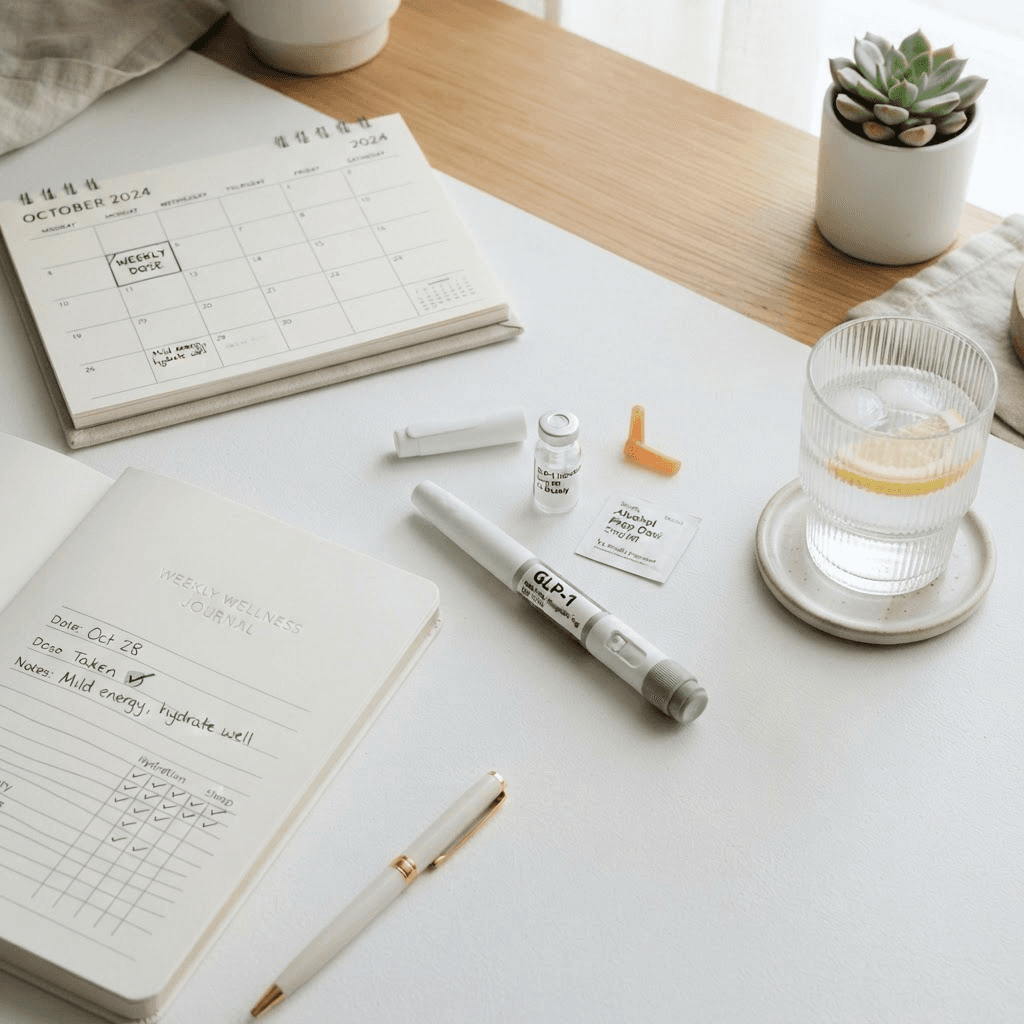
If you are on GLP-1 or actively losing weight, your relationship with food changes. Your appetite naturally decreases. This is not deprivation. This is your body working differently. The goal is to eat enough to maintain energy and health, not to minimize eating. Focus on nutrient density. With a reduced overall intake, every calorie should carry nutrition. Prioritize protein to protect your muscle as you lose weight. Prioritize vegetables for nutrients and satisfaction. When you eat less overall, you want what you do eat to be as nourishing as possible.
If you are on GLP-1, your appetite for certain foods might decrease more than others. Some patients find they simply do not want sweets anymore. Others lose interest in alcohol. This is normal and your body is helping you make better choices. Work with it. If there are foods you truly love and still want occasionally, you can have them, but your portions will likely be smaller and less frequent. That is fine. The goal is sustainable eating, not perfection.
Hydration and sustained energy
Dehydration mimics hunger and creates fatigue. Many people who think they are hungry are actually thirsty. A simple guideline: drink about half your body weight in ounces of water daily. If you weigh 150 pounds, aim for 75 ounces of water. More if you exercise or live in a hot climate. Most of this should be plain water, though coffee, tea, and other unsweetened beverages count toward hydration. Avoid relying solely on sugary drinks, which spike blood sugar and crash.
Practical strategies for eating for energy
- Plan your meals at the start of each week so you know what you are buying and eating.
- Batch cook proteins. Cook a big batch of chicken or ground turkey on Sunday that you can use throughout the week in different meals.
- Keep frozen vegetables on hand. They are just as nutritious as fresh and require minimal prep.
- Build a pantry of healthy staples: oils, nuts, whole grains, beans, canned fish.
- Eat protein and fat first at each meal. This creates satiety before you eat larger amounts of carbs.
- Stop when you feel satisfied, not stuffed. Eat slowly. It takes about 20 minutes for fullness signals to reach your brain.
- Notice your energy patterns. If you crash at three every afternoon, evaluate your lunch. Is it enough protein and fat? Was it too heavy on refined carbs?
Caffeine and sustained energy
Caffeine is a tool, not a solution. It can provide real benefits but can also create dependence and cause crashes. If you use caffeine, do so mindfully. Have coffee with breakfast that includes protein and fat, not coffee alone. Coffee with just sugar crashes hard. Limit caffeine after 2 p.m. to avoid sleep disruption. If you find yourself relying on caffeine to get through the day, that is often a sign you need better sleep or different eating patterns, not more caffeine.
When your meals work with your body, energy stops being something you chase. It becomes something you simply have.
FAQ: Eating for sustained energy
Question: Can I build sustained energy on a budget? Yes. Eggs, beans, frozen vegetables, and whole grains are all affordable. Buying in bulk and batch cooking maximizes your budget. You do not need expensive supplements or special foods to eat for energy. Basic whole foods work.
Question: What if I get hungry between meals even when I eat protein and fat? Add more volume first. More vegetables, more whole grains. If you are still hungry, you might need to shift your meal timing or add a planned snack. Hunger is not failure. It is information that your current eating pattern is not matching your current needs.
Question: How do I handle cravings without deprivation? First, check if the craving is actually hunger. Often it is not. Thirst, boredom, stress, or habit often masquerade as hunger. Drink water first. If you still have the craving an hour later, honor it. Eating the food you crave in a reasonable amount is better than white-knuckling through deprivation for weeks and then binging. The key is moderating portion and pairing it with protein and fat so it does not trigger a crash.
Question: What if I am eating on GLP-1 and my appetite is very low? Eat smaller meals more frequently. Eat what appeals to you as long as it includes protein. Your body is regulating hunger differently now. Work with it rather than forcing yourself to eat what you are supposed to eat. If you are struggling to eat enough to maintain energy, talk with your provider.
Question: Do I need supplements for energy? For most people eating a varied diet with adequate protein, vegetables, whole grains, and fat, supplements are not necessary. Some people benefit from B vitamins if deficient, or from iron if they are low. Your provider can test whether you have deficiencies worth supplementing. The foundation is good eating, not supplements.
When your meals work with your body, energy stops being something you chase. Start today with one meal built around protein, fiber, and fat, and notice how you feel. Let the others follow from there.